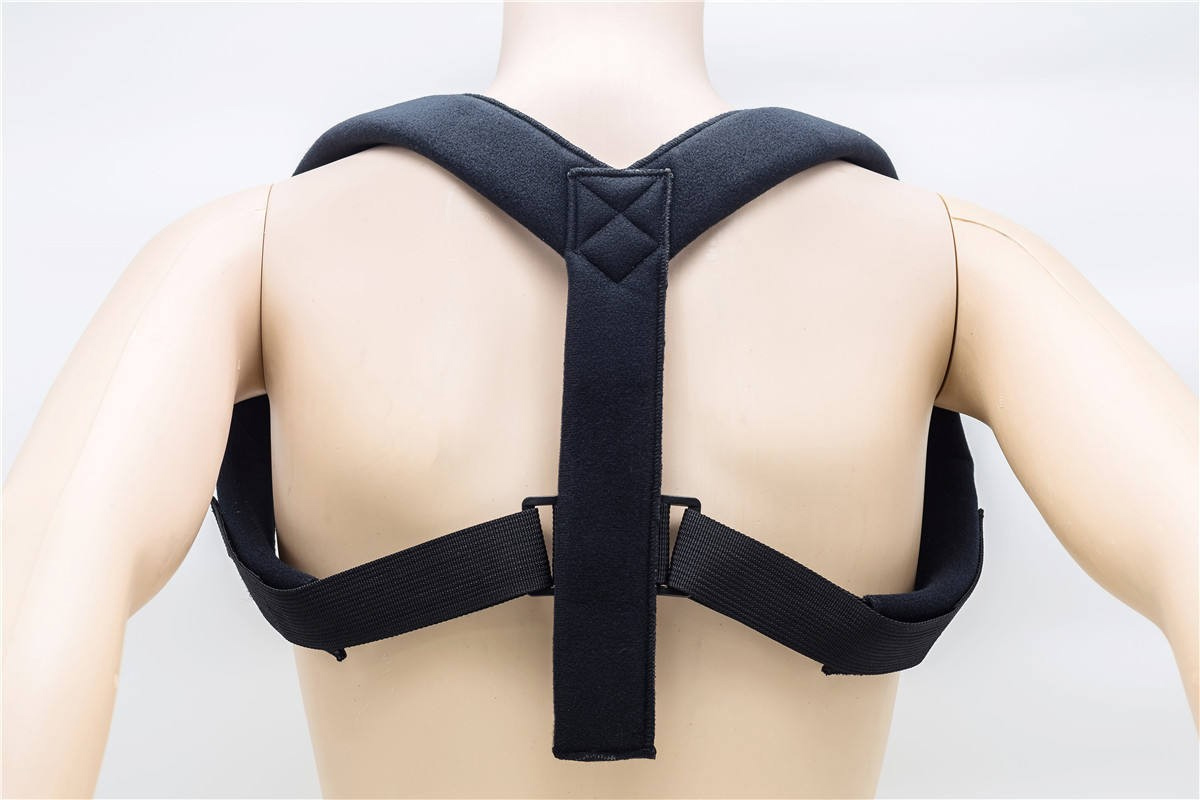
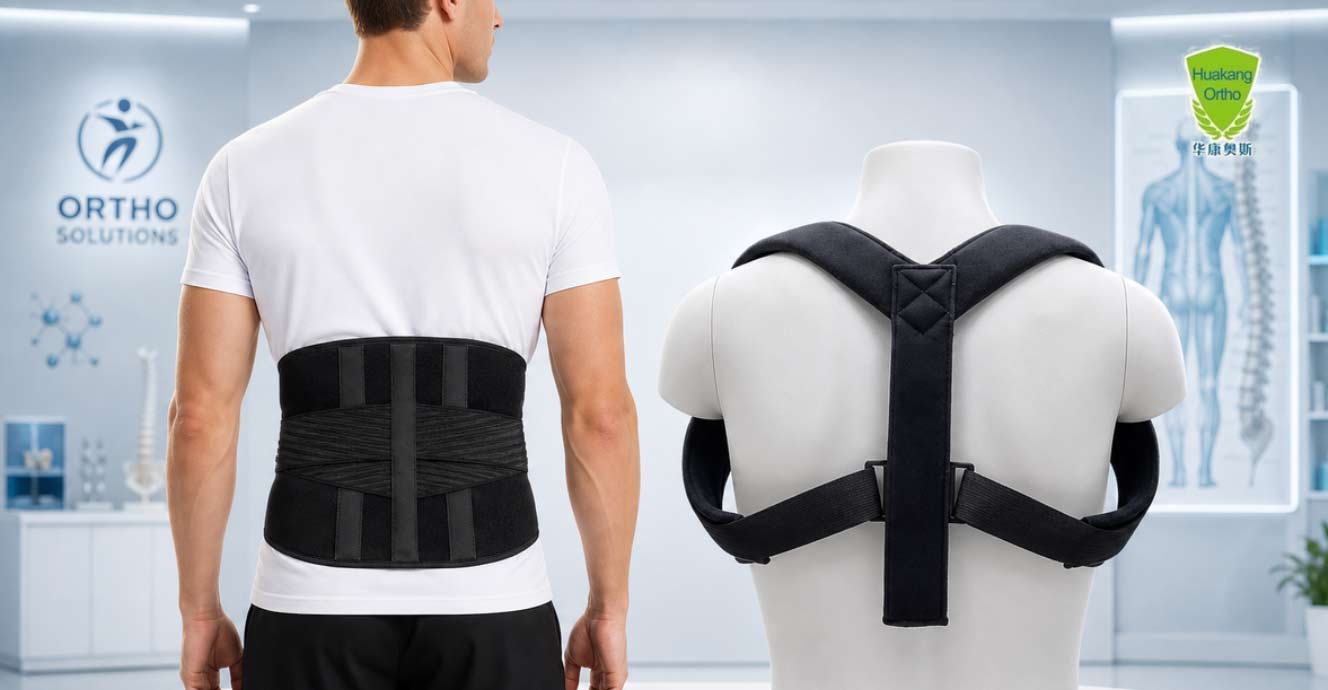
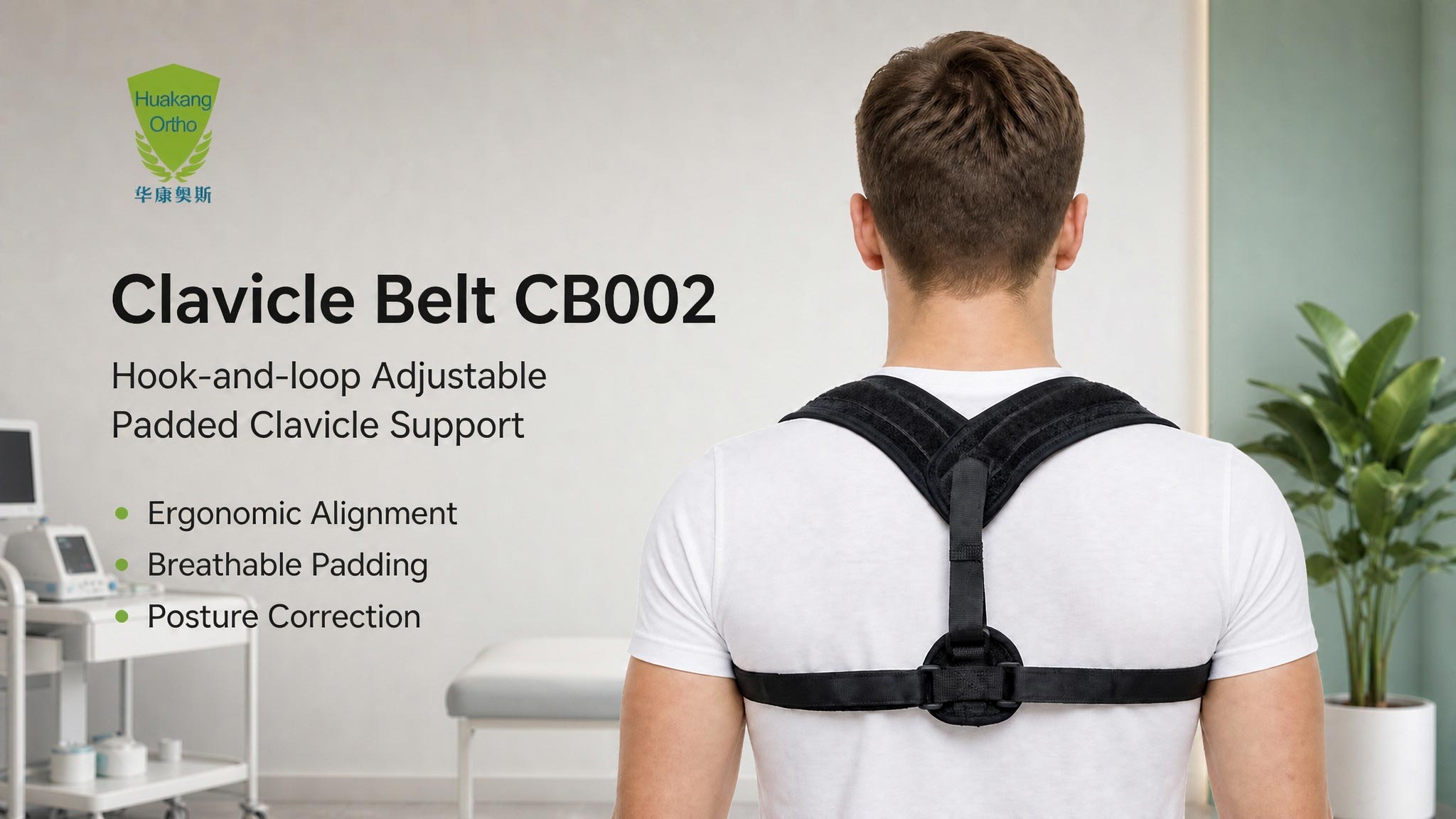
A Buyer's Guide to Sourcing Posture Correctors Directly from a Factory Posture correctors are widely offered across rehabilitation, wellness, pharmacy, and e-commerce channels. For buyers, however, products that look similar in photographs can differ significantly in fit, strap stability, padding, stitching, sizing consistency, and long-term wearing comfort. For importers, distributors, wholesalers, and private-label brands, sourcing directly from a posture corrector factory requires more than comparing unit prices. Factory qualification, production capacity, quality control, compliance documentation, and OEM execution all affect supply reliability and market risk. What Is a Posture Corrector? A posture corrector is a wearable support designed to apply adjustable tension around the shoulders and upper back. The product shown uses padded shoulder sections, a central back panel, and adjustable straps arranged to encourage shoulder retraction. Unlike a rigid thoracic orthosis, this soft support is generally designed to provide a wearable positioning reminder rather than complete spinal immobilization. The actual intended use must follow the approved product specification, labeling, and applicable professional guidance. Product suitability depends on the user's body shape, skin condition, comfort tolerance, intended wearing time, and any relevant clinical assessment. Key Features Buyers Should Evaluate Shoulder Strap Geometry The routing and width of the shoulder straps affect how tension is distributed across the shoulders and underarm areas. Buyers should check whether the design provides balanced adjustment without creating excessive localized pressure. Padding and Edge Finishing Padded contact areas can improve wearing comfort, while smooth binding and finished edges help reduce rubbing. Sample evaluation should include underarm zones, shoulder contact points, and seams that remain under tension. Central Back Support A central back panel organizes the strap path and helps stabilize the product during wear. Its length, flexibility, stitching pattern, and resistance to twisting can influence fit and appearance. Adjustable Fastening System Hook-and-loop closures and adjustment straps allow the user to modify tension and circumference. Strap reach, fastening strength, peel resistance, adjustment access, and durability should be checked before bulk approval. How Should Buyers Assess Factory Qualifications? Buyers should review the supplier's legal manufacturing identity, quality-management documents, production scope, export experience, inspection procedures, and ability to support the destination market's regulatory and labeling requirements. Claims such as FDA, CE, or other market-access documentation should be checked against the exact product, legal manufacturer, document scope, validity, and target market. Buyers should request verifiable copies rather than relying only on logos shown in sales materials. What Should Buyers Check Before Placing a ...


 Xiamen Huakang Orthopedic Co.,Ltd